
Online life in Canada has become much faster and easier. People do everything through the web, whether it’s storing money, shopping, paying bills, or signing up for online memberships. Every client stores their information on versatile apps and websites. This convenience also comes with a parcel of risk. Cases of blackmail and pantomime are on the rise. With a small mindfulness and caution, clients can keep their data and credit information secure. It’s imperative to always check their accounts and keep an eye out for suspicious activity.
Using a solid pass
A solid secret word is fundamental for each account. Frail or straightforward passwords are simple for programmers to figure out. Individuals frequently utilize birthdays, names, or prime numbers. This makes accounts easily compromised. A strong watchword should be a combination of letters, numbers, and images. Have a different watchword for each account. You can use a password manager that keeps your passwords safe and organized. This little phone keeps your information safe from hacks and your online transactions secure.
Two-step login
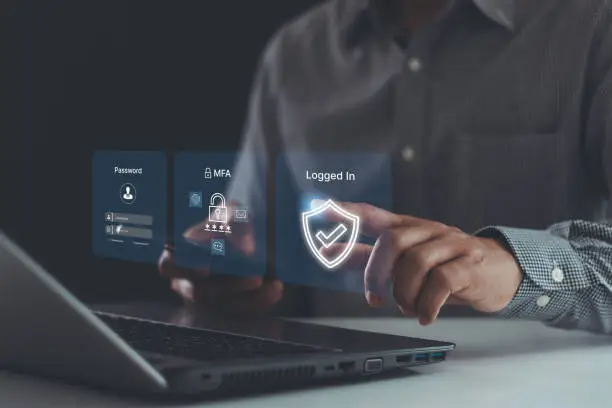
Two-factor confirmation, or 2FA, gives an additional layer of security for your account. When you log in, a fun code is sent to your phone or email.
You can get this code as follows. In fact, if a programmer guesses your secret word, it’s impossible to log in without 2FA. Canadian banks and major money-related apps offer 2FA. Keep it enabled at all times. With 2FA, your information and credit data are under much higher security. This step is crucial for detecting fraud.
Trick Mail Alert
Fake emails and phishing tricks are a genuine risk to online clients. Fraudsters send emails that appear to be from a bank or a trusted company. Clients are forced into giving them their data. Always check the sender of the e-mail and don’t open suspicious links. Log in through official apps or websites, as it were. Trap emails frequently utilize an influencing or weakening tone. They make you anxious and make you feel. With mindfulness and a small caution, you can keep your data secure. Make a propensity to confirm each e-mail and interface.
Open Wi-Fi risk
Open Wi-Fi is accommodating but amazingly unreliable. Free Wi-Fi is available in cafes, shopping centers, airports, and libraries. Software engineers abuse these frameworks to get data. Credit card inconspicuous components and login information can be successfully obtained. Never bank or shop on open Wi-Fi. If fundamental, utilize a VPN that turns the affiliation. Utilizing secure Wi-Fi or flexible data is reliably a more secure domestic. With a little mindfulness, you can protect your credit and keep up a vital part separate from fraud.
- Never manage an account or installments on an open network.
- Never do banking or payments on an open network.
- Do not share touchy information when utilizing the open web.
- Do not share sensitive data when using the public internet.
- Continuously keep your device’s firewall and antivirus active.
Choosing a safe shop
1. Use trusted stores
Only shop online from trusted and verified stores. Never pay at stores with unclear or ineffective reviews. Constantly check surveys and reviews. Major stores inCanadaa like Amazon, Walmart, Best Buy, and Costco, are solid.
2. Secure payment methods
Use secure installment strategies like credit cards or PayPal. Dodge charge cards due to being moderate debit handles. Your methods work out the risk of fraud and keep payments secure.
3. Screen your purchases
Safe shopping procedures incredibly decrease the chance of blackmail and data breaches. It is indeed more vital to screen online buys. It is continuously a great idea to check your transactions frequently and save your receipts.
Check the report
It is extremely important to check your credit report regularly. Equifax and TransUnion are the major credit bureaus in Canada. They offer free and paid reporting options. A credit report shows if there are any unclear advances, accounts, or exchanges in your title. If extortion is acknowledged, an immediate discussion can be recorded. Checking your report is a part of your money that is related to your well-being. This trend is exceptionally valuable in maintaining a strategic distance from fraud.
Keeping the gadget safe

Strengthen your gadget security. Keep your phone and portable workstations repaired. Use antivirus and security apps. An outdated program is an easy target for programmers. Control app permissions and obscure apps. Keep your screen bolt strong and don’t share passwords. Keeping your gadgets secure incredibly reduces the chance of information leaks. These basic phone hacks can make your online life more secure and stress-free.
Conclusion
The online world in Canada is fast and easy. With that comes an increasing risk of extortion and hacking. You can protect your credit by using strong passwords, two-factor login, trick email mindfulness, trusted stores, and gadget security. Checking credit reports and continuing to be vigilant are exceptionally compelling steps. With a small home and mindfulness, shoppers can keep their online accounts and money-related information safe for the long term. Every shopper ought to take responsibility for their information.
FAQS
Is credit extraction more common in Canada?
Yes, extortion cases are increasing every day, and mindfulness is exceptionally important.
Is it safe to leave money on open WiFi?
No, free open Wi-Fi is insecure and can leak data.
Is the credit report accessible for free?
Yes, Equifax and TransUnion offer one or more free reports a year.
Is it safe to shop from a trusted store?
Yes, trusted and verified stores reduce the risk of extortion and make payments safe.
Is two-factor login necessary?
Yes, 2FA provides an extra layer of security and keeps logins secure.